
DIY Repairs Worth Tackling Yourself and the Ones Best Left to Professionals
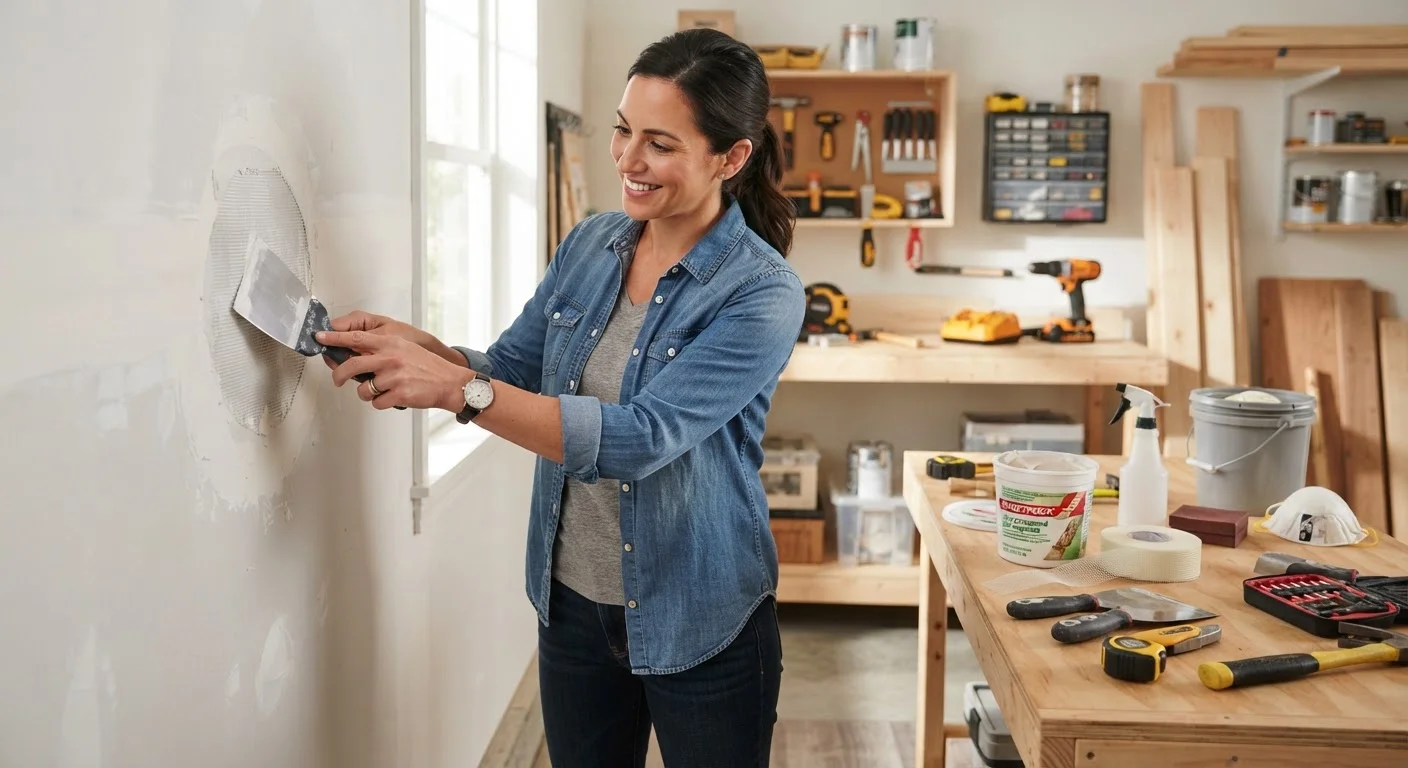
Photo credit: strategicimprovementplan.net
In this article
Not every home repair is a good candidate for DIY. This guide maps out which tasks save money at home and which ones carry real risk if done wrong.
Key Takeaways
- Cosmetic and low-risk repairs like patching drywall or caulking are generally safe for motivated DIYers.
- Electrical, structural, and gas-related work carries real hazards and often requires licensed contractors and permits.
- The cost of a botched DIY repair can exceed what a professional would have charged from the start.
- Local building codes and permit requirements vary widely; always check before starting any significant project.
- Matching your skill level to the task is more important than saving money on any single repair.
How to think about the DIY decision
Every home repair comes with two price tags: the cost of doing it and the cost of doing it wrong. For low-stakes tasks, a misstep wastes an afternoon and a few dollars. For high-stakes ones, an error can mean a fire, a flood, a failed inspection, or a voided homeowner's insurance claim. That gap is what separates a smart DIY project from a risky one.
Before picking up a tool, consider four things: whether a mistake is reversible, whether the task requires a permit, whether it involves a hazardous system, and whether you have the tools to do it safely. If you answer yes to any of the last three, the job belongs in the professional column. Deferred maintenance often turns manageable tasks into expensive ones, so the goal is accurate triage, not avoidance of all outside help.
| DIY-friendly | Hire a professional | |
|---|---|---|
| Skill level needed | Basic to intermediate | Licensed or certified trade |
| Permit typically required | No | Often yes |
| Risk if done wrong | Low to moderate, usually reversible | High, often irreversible or hazardous |
| Typical cost range | Materials only | Labor plus materials |
| Common examples | Patching drywall, caulking, painting | Electrical panels, gas lines, structural work |
| Insurance/code implications | Minimal | Non-compliance can void coverage |
Repairs most homeowners can handle
These tasks share a common profile: the materials are inexpensive, written instructions are widely available, and a mistake can be fixed without major consequence.
Patching drywall
Small holes from nails or doorknobs are straightforward to patch with a pre-mixed joint compound, a putty knife, and sandpaper. Larger holes (roughly 6 inches or more) require a backing board and mesh tape, which takes more patience but is still within reach for most people who follow each step carefully.
Caulking and weatherstripping
Replacing old caulk around tubs, windows, and door frames is one of the highest-return DIY tasks. It costs little, requires no special license, and directly reduces heating and cooling loss. A seasonal maintenance schedule is a practical way to stay on top of this kind of work before it becomes a bigger problem.
Painting interior walls
With proper prep, including cleaning, taping, and priming, interior painting produces professional-looking results for most careful homeowners. The prep work matters more than the painting itself.
Replacing fixtures and hardware
Swapping cabinet hardware, light switch plates, outlet covers, and faucet aerators involves no wiring or plumbing beyond the water supply shutoff and is low-risk. Replacing a ceiling fan on an existing, properly rated box is also manageable for someone comfortable reading an instruction manual.
Basic lawn and garden care
Seeding bare patches, aerating compacted soil, and adjusting sprinkler heads are tasks that reward consistency over expertise. Budget lawn care principles can guide you through the basics without costly professional visits.
Work that belongs with a licensed professional
These categories involve systems where errors create hazards that extend well beyond the immediate repair, sometimes affecting other people in the home, neighbors, or future buyers.
Electrical panel work and new circuits
Replacing an outlet or a switch is a task some experienced DIYers take on, but work inside the electrical panel, running new circuits, or upgrading service capacity requires a licensed electrician in most jurisdictions. Errors here cause fires and electrocution. Permits and inspections exist precisely because the consequences are irreversible.
Gas lines
Any work on gas supply lines, including moving, extending, or repairing them, must be handled by a licensed plumber or gas fitter. A leak is not always detectable by smell alone, and the risks are severe.
Structural repairs
Cutting into or replacing load-bearing walls, floor joists, or roof rafters without engineering guidance can compromise a home's structural integrity. If you are unsure whether a wall is load-bearing, consult a structural engineer or licensed contractor before touching it.
Roofing beyond minor patching
A full roof replacement or significant repair involves working at height under time pressure (weather), with materials that require proper layering and flashing to prevent water intrusion. Improper installation often voids manufacturer warranties and causes hidden moisture damage that costs far more to fix later.
The same logic applies to home repairs as it does to vehicle repairs: the dividing line is usually whether an error is contained or cascading.
Getting the most from professional help
Hiring a professional does not mean accepting the first quote you receive. Get written estimates from at least two contractors, confirm they are licensed and insured for the specific work, and ask which permits they will pull on your behalf. A contractor who resists pulling permits is a warning sign, not a cost-saving offer.
You can also reduce professional labor costs by doing prep work yourself: clearing a room before painters arrive, removing old caulk before a tile installer starts, or buying your own materials after confirming compatibility. Managing the household budget well means knowing where to spend and where to be selective, not cutting corners on work that carries safety implications.
Document completed professional work with photos, receipts, and permit sign-off records. That paper trail matters when you sell the home or file an insurance claim.

Author
Home & Garden Editorial Team
Home & Garden Editorial Team is the collective byline for our editorial team and contributor network. Articles published under this byline or an editorial pen name are researched, written, and reviewed according to our editorial standards for clarity, consistency, and independence before publication.
View all articles →