
The True Cost of Skipping Routine Home Maintenance
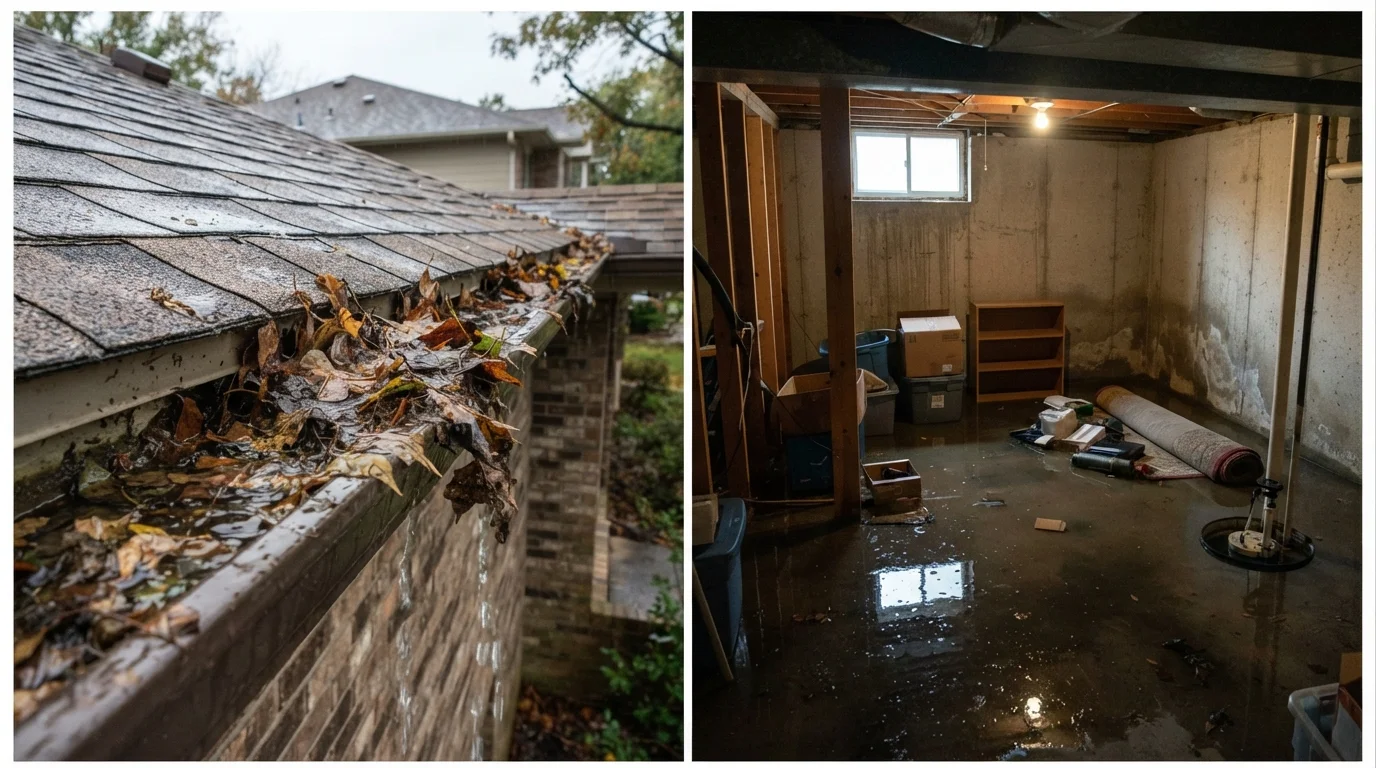
Photo credit: strategicimprovementplan.net
In this article
Small maintenance tasks ignored today often become expensive repairs tomorrow. Here is what deferred upkeep actually costs American homeowners.
Key Takeaways
- Skipping routine maintenance does not save money; it delays and multiplies costs.
- Water intrusion from neglected gutters, caulk, and roofing is among the most expensive home repair categories.
- HVAC systems that go unserviced consume more energy and fail sooner than maintained units.
- Many deferred-maintenance repairs also affect a home's resale value and insurability.
- A consistent seasonal maintenance schedule is the most practical way to prevent cost escalation.
Why small maintenance gaps become large repair bills
A $15 tube of caulk applied around a window frame today can prevent hundreds of dollars in rot repair two winters from now. That math repeats across dozens of maintenance tasks throughout a home. The underlying reason is physical: most home materials degrade continuously, and small gaps allow water, air, and pests to penetrate further with each season that passes.
Water is the most destructive force in a residential structure. Once it breaches a failing seal or sits in a clogged gutter long enough to overflow against the fascia board, it moves into wood framing, insulation, and drywall. By the time a homeowner notices a stain on the ceiling, the damage behind the surface is almost always more extensive than the stain suggests. Mold can establish itself within 24 to 48 hours of a moisture event, according to the U.S. Environmental Protection Agency, and remediation is significantly more expensive than the original leak repair would have been.
This cost-multiplication pattern applies beyond water. A slow roof flashing problem becomes a structural repair. A cracked driveway allows freeze-thaw cycles to open larger fissures each winter. An unsealed gap around a pipe chase becomes a route for rodents. Each deferred task gives the underlying problem more time to compound.
Start with water-related tasks
If you can only address a few maintenance items this season, prioritize anything that controls water movement: gutters, downspout extensions, window and door caulk, and roof flashing. Water damage is the repair category most likely to compound quickly and affect multiple systems at once.
The systems where deferred maintenance costs the most
Some home systems are more sensitive to neglect than others. HVAC equipment is a clear example. A standard recommendation from manufacturers and HVAC technicians is to replace air filters every one to three months, depending on filter type and household conditions. A clogged filter forces the blower motor to work harder, raises energy consumption, and strains components that were not designed to run under that load. Annual professional servicing catches refrigerant issues, coil buildup, and electrical wear before they cause a full system failure. A new central air conditioning unit can cost several thousand dollars to replace; a service visit costs a small fraction of that.
Roofing is another high-stakes category. Asphalt shingles have a finite lifespan, and regular inspection catches cracked, curling, or missing shingles before a leak develops. The National Roofing Contractors Association suggests inspecting roofs at least twice a year. A shingle repair costs far less than addressing the water damage that a failed roof allows into an attic and the rooms below.
Gutters sit at the intersection of roofing and water management. Leaves and debris that block gutters cause water to pool and overflow against the foundation or behind the fascia. Foundation water intrusion can lead to basement flooding and, over years, to settling or cracking that is among the most expensive structural repairs a homeowner faces.
1%- 2%
Recommended annual maintenance budget (% of home value)
A widely cited general guideline from financial and housing professionals suggests budgeting one to two percent of a home's value each year for routine maintenance.
24-48 hrs
Time for mold to begin growing after a moisture event
The U.S. Environmental Protection Agency notes that mold can begin developing within 24 to 48 hours of water intrusion, making prompt repair critical.
2x/year
Recommended roof inspection frequency
The National Roofing Contractors Association recommends inspecting residential roofs at least twice annually to catch wear before it becomes a leak.
How deferred maintenance affects resale value and insurability
Buyers and their inspectors notice deferred maintenance. Peeling paint, water stains, aging HVAC equipment, and deteriorating sealants signal to a buyer that a home has been neglected, which typically results in lower offers or requests for price reductions to cover anticipated repairs. A home inspection report filled with maintenance-related findings can stall a sale or reduce the final price by more than the accumulated maintenance would have cost over the same period.
Insurance is a related concern. Insurers can decline to renew a policy or exclude coverage for damage they attribute to ongoing neglect. A claim for water damage that an adjuster traces back to a known, long-standing gutter problem may not receive full payment. Maintaining records of completed maintenance tasks is useful documentation if a claim ever becomes disputed.
See our room-by-room seasonal maintenance calendar for a structured approach to staying current on upkeep throughout the year. If you are unsure which tasks to handle yourself and which need a licensed contractor, the guide to DIY versus professional repairs covers that distinction in detail.
Budgeting for maintenance instead of emergency repairs
Financial planners often suggest that homeowners budget between one and two percent of a home's purchase price annually for maintenance. That figure is a general benchmark, not a guarantee, and it will vary with the home's age, condition, and regional climate. An older home in a humid climate will require more attention than a newer home in a dry one.
The practical advantage of a maintenance budget is that it converts unpredictable large expenses into smaller, planned ones. An emergency furnace replacement in January is a financial shock. Annual furnace servicing and a replacement savings fund spread that cost over time and give the homeowner more control over timing. Even a modest maintenance fund built over several months can cover most routine tasks before they escalate.
Energy costs follow a similar logic. A home with failing weatherstripping, dirty HVAC filters, and uninsulated crawl spaces pays more each month in utility bills. Those ongoing costs are often invisible because they look like a normal bill rather than a repair expense. The reasons energy bills stay high even after weatherproofing explores how maintenance gaps continue to drive costs even when some improvements have already been made.
Consistent attention to a home's systems costs less, on balance, than the irregular, reactive spending that deferred maintenance produces.
Frequently Asked Questions

Author
Home & Garden Editorial Team
Home & Garden Editorial Team is the collective byline for our editorial team and contributor network. Articles published under this byline or an editorial pen name are researched, written, and reviewed according to our editorial standards for clarity, consistency, and independence before publication.
View all articles →