
Community Health Centers: What They Are and Who Qualifies
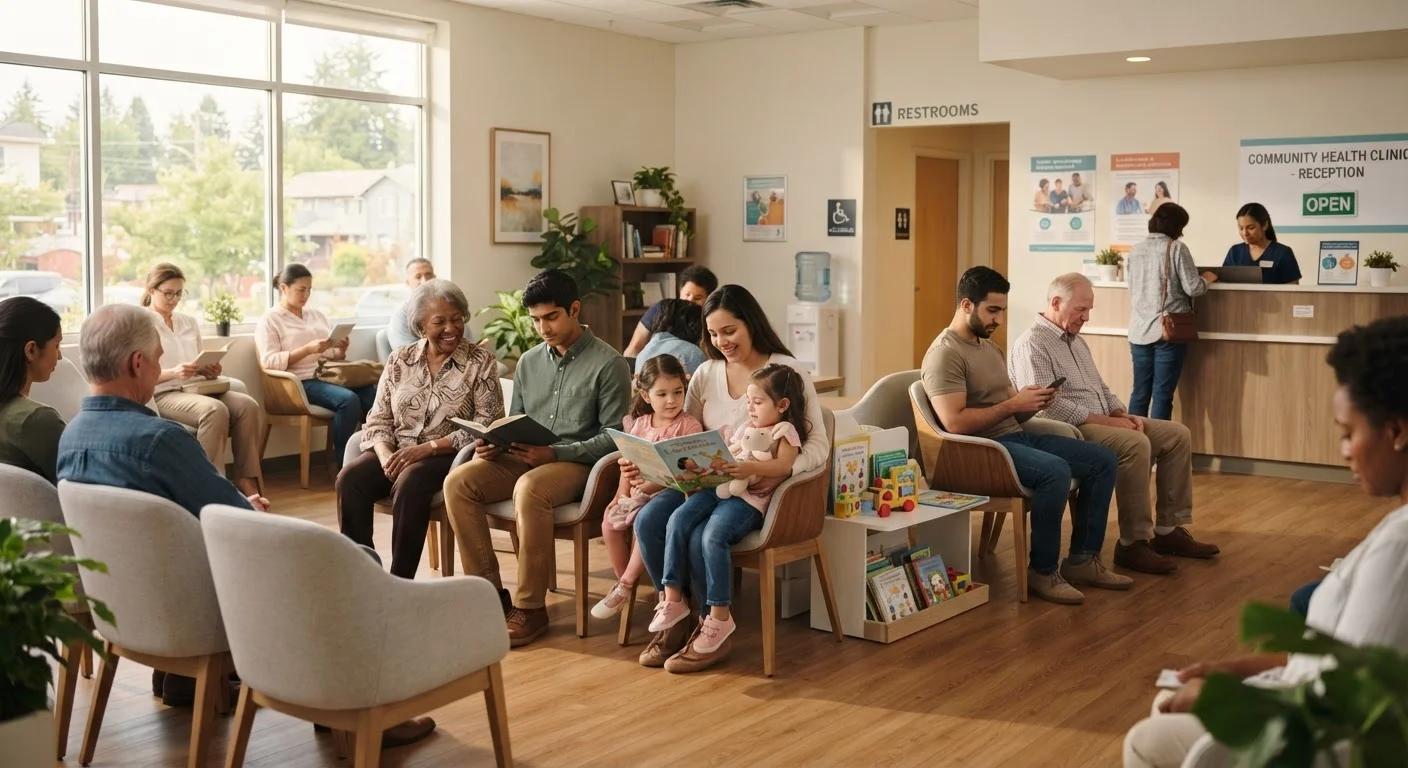
Photo credit: strategicimprovementplan.net
In this article
Federally qualified health centers offer sliding-scale care to millions of Americans. Learn how they work and whether your family may be eligible.
Key Takeaways
- Community health centers accept patients regardless of insurance status, including the uninsured.
- Fees are adjusted on a sliding scale tied to household income and family size.
- Services typically include primary care, dental, mental health, and pharmacy care.
- No one is turned away for inability to pay at a federally qualified health center.
- You can find a nearby center using the HRSA health center finder at findahealthcenter.hrsa.gov.
What makes a health center 'federally qualified'
The term Federally Qualified Health Center refers to a clinic that has been approved by the Health Resources and Services Administration (HRSA) and meets a defined set of operating requirements. These requirements include serving an underserved area or population, offering care on a sliding-fee scale, providing a broad scope of primary care services, and maintaining a governing board where at least 51 percent of members are patients of the center.
In exchange for meeting those standards, FQHCs receive federal grant money under the Health Center Program and qualify for enhanced Medicaid and Medicare reimbursement. That funding structure is what allows them to treat patients at reduced or no cost without relying entirely on charitable donations.
There are several types of health center program awardees, including community health centers, migrant health centers, health care for the homeless programs, and public housing primary care programs. All share the same core obligation: no patient is turned away because they cannot pay.
Who qualifies and how the sliding-fee scale works
There is no strict income cutoff that determines whether someone can use a community health center. Any person in the geographic service area of an FQHC can request care. What changes based on income is how much you pay.
Most centers use the federal poverty level (FPL) as a benchmark. A household at or below 100 percent of the FPL typically qualifies for the lowest fee tier, which may be as little as a few dollars per visit or nothing at all. Households above 200 percent of the FPL generally pay more, though still often less than a private clinic charges.
What to bring to your first visit
Most community health centers ask for a photo ID, proof of address, and documentation of household income when applying for the sliding-fee discount. If you have insurance, bring your insurance card. If you have no documentation at the time of your visit, centers generally cannot turn you away; they will work with you to submit paperwork later.
To apply for the sliding-fee discount, you will usually need to bring documentation of your household income (such as recent pay stubs, a tax return, or a benefits letter) and the number of people in your household. Centers recalculate eligibility periodically, typically once a year.
Families with Medicaid, CHIP, or Marketplace insurance can also use FQHCs. In those cases, the center bills your insurance first, and any cost-sharing follows your plan's rules. The sliding-fee scale applies primarily to uninsured patients or to costs not covered by insurance.
Services available at most community health centers
A core requirement for FQHC status is that centers must provide comprehensive primary care. In practice, that means most locations offer:
- Adult and pediatric primary care, including well-child visits and immunizations
- Preventive screenings such as blood pressure checks, diabetes screening, and cancer screenings
- Prenatal and postnatal care
- Dental care, including cleanings, fillings, and extractions
- Mental health and substance use counseling
- Pharmacy services or referrals to low-cost pharmacies
Some centers also provide vision care, HIV testing and treatment, and chronic disease management programs for conditions such as asthma and hypertension. Services vary by location, so it is worth calling ahead or checking the center's website to confirm what is available before your visit.
For families comparing where to seek care for different situations, the differences between urgent care, retail clinics, and emergency rooms are also worth understanding, since an FQHC is best suited for ongoing primary and preventive care rather than acute emergencies.
How to find and use a community health center
HRSA's health center finder at findahealthcenter.hrsa.gov lets you search by zip code and see nearby FQHCs with contact information, hours, and the services offered. Many centers also accept same-day or walk-in appointments for urgent primary care needs, though availability differs by location.
When you call to schedule, ask specifically about the sliding-fee discount program and what documents to bring. Arriving without income documentation does not disqualify you; centers generally allow a grace period to submit paperwork.
Families who do have insurance and want to stretch their healthcare dollars further may also benefit from understanding tools like how FSAs and HSAs handle healthcare costs, which can offset out-of-pocket expenses at any provider, including community health centers. Additionally, many services offered at FQHCs overlap with preventive care that insurance plans must cover at no cost, so insured patients may owe nothing for a covered screening even at a standard clinic.
This article provides general health information for educational purposes only and is not medical or financial advice. Consult a qualified healthcare provider for guidance specific to your health situation.
Frequently Asked Questions

Author
Health Editorial Team
Health Editorial Team is the collective byline for our editorial team and contributor network. Articles published under this byline or an editorial pen name are researched, written, and reviewed according to our editorial standards for clarity, consistency, and independence before publication.
View all articles →