
Composting Myths That Are Holding Your Garden Back
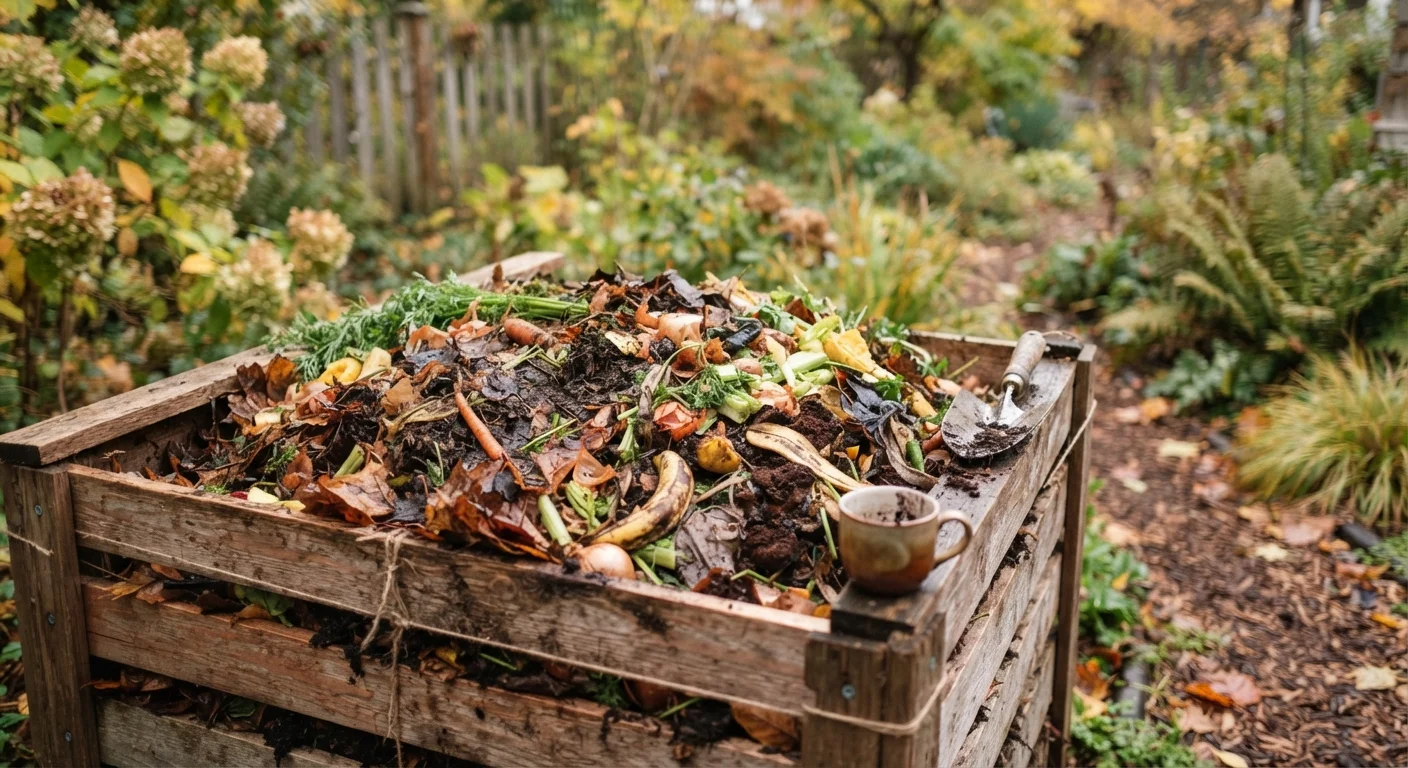
Photo credit: strategicimprovementplan.net
In this article
From fears about smell to confusion over what belongs in the pile, common composting myths discourage many gardeners. Here is what the evidence actually shows.
Key Takeaways
- A properly managed compost pile produces little to no noticeable odor.
- Meat and dairy can be composted in some systems, though open bins work best without them.
- Compost does not need to be hot to break down organic material effectively.
- Finished compost from kitchen scraps is nutritionally comparable to store-bought versions.
- Weed seeds are killed when pile temperatures exceed 130 degrees Fahrenheit consistently.
Why composting myths matter for your garden and wallet
Composting is one of the most cost-effective ways to improve garden soil without buying bags of amendments each season. Yet many homeowners avoid it entirely because of misconceptions passed down through casual advice. These beliefs range from minor misunderstandings to outright errors, and each one costs gardeners both money and results.
A good compost pile returns nutrients to soil, improves drainage in clay-heavy yards, and helps sandy soil retain moisture. If you grow vegetables or maintain flower beds, consistent compost use can reduce or eliminate the need for commercial fertilizers. The comparison between raised beds and in-ground planting is a useful place to see how soil quality affects every growing method. Clearing up these myths is the first step toward making composting a practical part of your routine.
Myth
Compost piles always smell terrible and will make neighbors complain.
Fact
A balanced, well-aerated pile has an earthy smell similar to forest soil, not a foul odor.
Unpleasant smells come from two conditions: anaerobic decomposition caused by too little air, or an excess of nitrogen-rich materials without enough carbon to balance them. Both are manageable. Turning the pile regularly introduces oxygen, and adding dry leaves or torn cardboard corrects a nitrogen imbalance. Avoid placing the pile in a location where water pools, since standing moisture drives anaerobic conditions. A correctly built pile in a sunny, open spot rarely produces odors that travel beyond a few feet.
Myth
You need special equipment or a lot of space to compost successfully.
Fact
A three-foot square area and a basic wire bin or wooden frame are enough to produce finished compost.
Commercial compost tumblers are convenient but not necessary. Many gardeners use a simple ring of hardware cloth held with stakes, or three wood pallets wired at the corners. Urban composting with a lidded bin on a balcony or in a small yard is also practical for kitchen scraps using a worm bin (vermicomposting), which requires only a container roughly the size of a storage tote. Space constraints are rarely the actual barrier.
Myth
Compost piles attract rats and other pests.
Fact
Pests are drawn to food odors from improperly buried scraps, not to a covered, balanced pile.
The two changes that prevent pest problems are burying fresh kitchen scraps beneath several inches of carbon material and avoiding cooked food, oils, and meat in open bins. When scraps are exposed on top of the pile, their odor draws animals. When buried and covered, decomposition begins quickly and the scent dissipates. A bin with a secure lid and a solid or wire-mesh base eliminates nearly all rodent access. Pests are a management problem, not an inherent feature of composting.
Myth
Compost has to reach high temperatures to work.
Fact
Cold or passive composting works fine; it simply takes longer than a hot pile.
Hot composting (130 to 160 degrees Fahrenheit) speeds up decomposition to a matter of weeks and does kill weed seeds and pathogens. However, cold composting, where materials are layered and left without frequent turning, produces the same end product over a longer period. For most home gardeners, waiting six to twelve months for finished compost is entirely acceptable. The heat is a method for speed, not a requirement for quality output.
Myth
Weeds should never go into a compost pile because the seeds will spread.
Fact
Weeds added to a hot pile have their seeds killed by the heat before the compost is finished.
Weed seeds generally lose viability at temperatures above 130 degrees Fahrenheit held for several days. A well-managed hot pile reaches this range in the interior. The caution applies to cold piles: seeds in cooler outer sections may survive. If you use cold composting, avoid adding weeds that have gone to seed. Otherwise, weeds pulled before flowering are fine to add and contribute useful nitrogen to the pile.
Myth
Store-bought compost is more nutritious than homemade compost.
Fact
Homemade compost from a balanced mix of household and yard waste is nutritionally similar to commercial products.
Commercial compost quality varies considerably by brand and source material. Some products are made from municipal biosolids, wood chips, or manure, each with a different nutrient profile. Homemade compost from kitchen scraps, grass clippings, and leaves contains a broad mix of macro and micronutrients and a diverse microbial community that supports soil health. The main advantage of commercial compost is availability and volume; nutritional superiority is not established. For gardeners who produce enough kitchen and yard waste, homemade compost performs at least as well.
Practical steps once the myths are cleared up
Once you stop avoiding composting based on false assumptions, the setup is straightforward. A basic bin can be built from wood pallets or wire mesh at little cost. The key inputs are carbon-rich brown materials (dried leaves, cardboard, straw) and nitrogen-rich green materials (grass clippings, vegetable scraps, coffee grounds). A rough ratio of three parts brown to one part green by volume keeps decomposition moving without odor.
Turning the pile every one to two weeks accelerates breakdown, though it is not required. A pile left alone will still produce finished compost in six to twelve months. Moisture matters: the pile should feel roughly as damp as a wrung-out sponge. Too dry and decomposition stalls; too wet and anaerobic bacteria produce sulfur compounds that smell.
If you want to use finished compost most efficiently, apply it as a two-inch top dressing around plants rather than digging it in deeply. This approach also fits well with budget lawn care strategies, where topdressing with compost is often more cost-effective than chemical fertilizers.
Diseased plants need careful handling
Plant material affected by fungal disease or bacterial blight should not go into a cold compost pile. Pathogens can survive in cooler sections and reintroduce disease when the compost is applied. Either use only hot composting methods for diseased material and confirm the pile reaches adequate internal temperature, or discard diseased plants in yard waste collection rather than composting them at home.

Author
Home & Garden Editorial Team
Home & Garden Editorial Team is the collective byline for our editorial team and contributor network. Articles published under this byline or an editorial pen name are researched, written, and reviewed according to our editorial standards for clarity, consistency, and independence before publication.
View all articles →