
When DIY Car Repairs Make Sense and When They Do Not
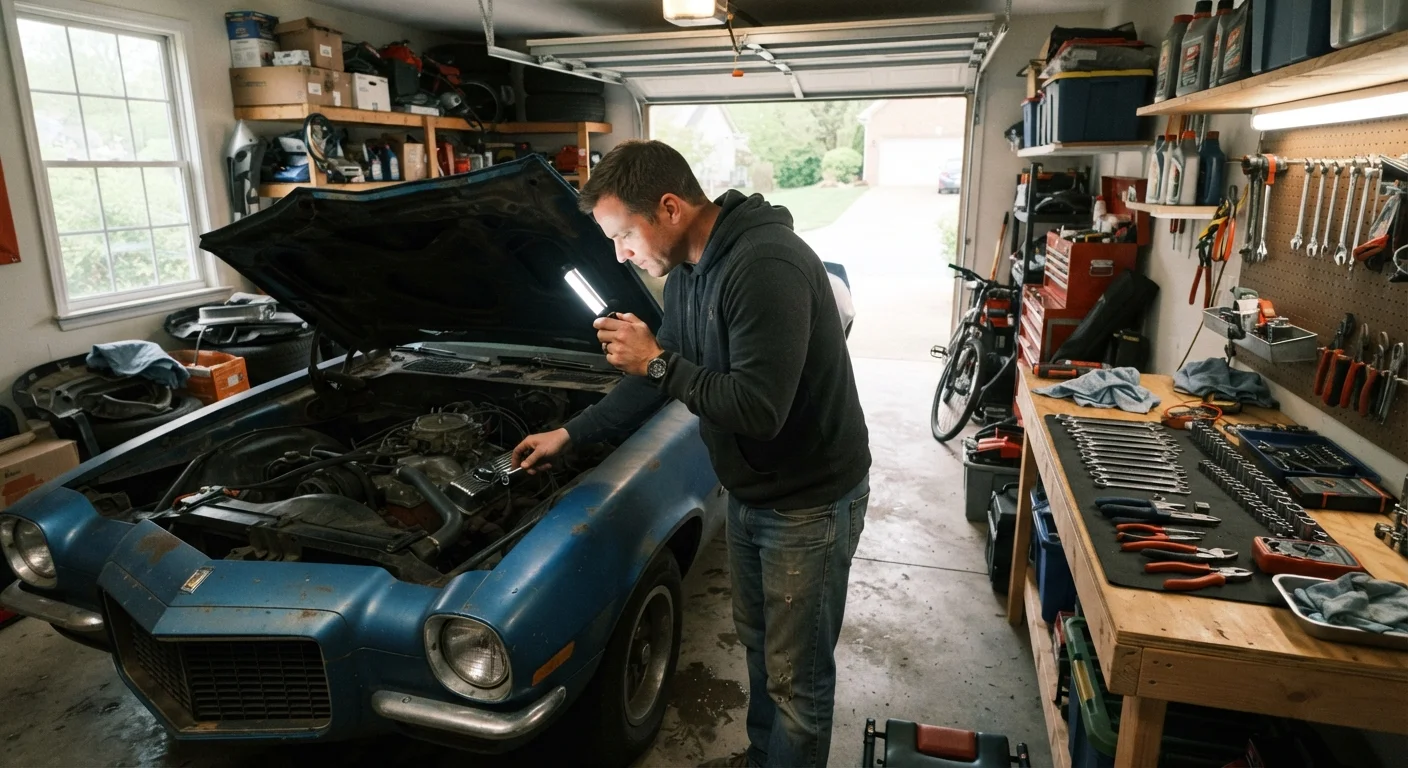
Photo credit: strategicimprovementplan.net
In this article
Some repairs are safe and straightforward for motivated owners; others carry real safety risks. Learn how to tell the difference before picking up a wrench.
Key Takeaways
- Oil changes, air filter swaps, and wiper blade replacements are generally safe for motivated home mechanics.
- Brake system work, airbag components, and anything involving fuel lines carry real injury risk if done incorrectly.
- The cost of a wrong repair often exceeds the professional labor fee you were trying to avoid.
- Your vehicle's service manual is the most reliable guide to what requires specialized tools or torque specs.
- Warranty coverage on newer vehicles can be voided by certain DIY repairs performed outside manufacturer guidelines.
Labor cost savings on routine maintenance
Shop labor rates in the U.S. typically run between $80 and $150 per hour. Routine tasks like oil changes or air filter replacements that take a shop 30 minutes can cost as little as the parts alone when done at home.
Better understanding of your own vehicle
Owners who perform basic maintenance tend to notice changes in fluid color, unusual wear patterns, or developing leaks earlier than those who only see their car at annual service intervals.
Flexible scheduling with no waiting
Many service centers require appointments days out. Handling oil changes or battery swaps at home means the repair happens when it is convenient, not when the shop has availability.
Control over parts quality
When you source your own parts, you can verify the brand and specification rather than accepting whatever a shop stocks. This matters for items like oil filters, brake pads, and belts.
Errors can exceed the cost of professional labor
A stripped drain plug, an overtightened sensor, or an improperly seated connector can turn a $25 repair into a $400 one. The savings calculation only works when the job goes correctly.
Safety-critical mistakes carry serious consequences
Incorrect brake work, improperly installed tie-rod ends, or a loose wheel bearing are not merely inconvenient errors. They can result in loss of vehicle control at speed.
DIY repairs can void remaining warranty coverage
For vehicles still under manufacturer or extended warranty, certain repairs performed outside an authorized facility can affect coverage. Reviewing the warranty terms before starting is worthwhile.
Specialized tools add upfront cost
Torque wrenches, OBD-II scan tools, spring compressors, and harmonic balancer pullers are not in every household. Purchasing tools for a single job can eliminate the savings entirely.
Incorrect diagnosis wastes time and parts
Replacing components based on a symptom rather than a confirmed diagnosis is a common and expensive mistake. A professional-grade scan tool and experience reading live data often catches the real cause faster.
What makes a repair a good DIY candidate
Three factors determine whether a repair belongs in your driveway or at a shop: the safety consequences of an error, the tools and knowledge required, and whether a mistake creates a bigger, costlier problem than the original issue.
Routine maintenance tasks pass all three tests. Replacing an engine air filter takes about five minutes, requires no tools in most vehicles, and a wrong installation is immediately obvious. Swapping wiper blades, changing cabin air filters, and topping off fluids fall into the same category. Oil changes sit slightly higher on the skill ladder but are well within reach for anyone willing to read their owner's manual and use the correct oil specification.
Beyond pure maintenance, some repair tasks are also manageable. Replacing a dead battery, swapping a burnt-out headlight bulb on older vehicles, or installing new wiper arms are tasks where the margin for error is low and the parts are inexpensive if you need a second attempt.
For anything more complex, check your vehicle's service manual before starting. Torque specifications, fluid capacities, and component locations vary significantly between makes and models. Guessing is how a $30 repair becomes a $600 one. See our car maintenance myths guide for context on which routine tasks are often overcomplicated by common misinformation.
Pros of DIY car repairs
For families managing a tight household budget, the labor savings on routine maintenance add up meaningfully over a vehicle's lifetime.
Labor cost savings on routine maintenance
Shop labor rates in the U.S. typically run between $80 and $150 per hour. Routine tasks like oil changes or air filter replacements that take a shop 30 minutes can cost as little as the parts alone when done at home.
Better understanding of your own vehicle
Owners who perform basic maintenance tend to notice changes in fluid color, unusual wear patterns, or developing leaks earlier than those who only see their car at annual service intervals.
Flexible scheduling with no waiting
Many service centers require appointments days out. Handling oil changes or battery swaps at home means the repair happens when it is convenient, not when the shop has availability.
Control over parts quality
When you source your own parts, you can verify the brand and specification rather than accepting whatever a shop stocks. This matters for items like oil filters, brake pads, and belts.
Cons and real risks to weigh
The savings potential is real, but so are the downsides. Several categories of risk deserve careful thought before you start.
Errors can exceed the cost of professional labor
A stripped drain plug, an overtightened sensor, or an improperly seated connector can turn a $25 repair into a $400 one. The savings calculation only works when the job goes correctly.
Safety-critical mistakes carry serious consequences
Incorrect brake work, improperly installed tie-rod ends, or a loose wheel bearing are not merely inconvenient errors. They can result in loss of vehicle control at speed.
DIY repairs can void remaining warranty coverage
For vehicles still under manufacturer or extended warranty, certain repairs performed outside an authorized facility can affect coverage. Reviewing the warranty terms before starting is worthwhile.
Specialized tools add upfront cost
Torque wrenches, OBD-II scan tools, spring compressors, and harmonic balancer pullers are not in every household. Purchasing tools for a single job can eliminate the savings entirely.
Incorrect diagnosis wastes time and parts
Replacing components based on a symptom rather than a confirmed diagnosis is a common and expensive mistake. A professional-grade scan tool and experience reading live data often catches the real cause faster.
Warranty and insurance considerations
If your vehicle is under an active manufacturer warranty or a purchased extended service contract, read the terms carefully before performing any repair beyond basic fluid top-offs. Some contracts specify that covered components must be serviced at authorized facilities. Similarly, if a DIY repair contributes to an accident, your auto insurer may ask detailed questions about who performed recent service on the affected system.
Where to draw the line
Certain systems should generally stay in professional hands regardless of your mechanical confidence.
Brake hydraulics. Bleeding brake lines, replacing calipers, or machining rotors involves the system that stops the vehicle. An air bubble in the line or a fitting that is not fully seated can cause brake failure. The consequences are severe enough that most mechanics consider this work safety-critical even among professionals.
Airbag and restraint systems. Supplemental restraint systems (SRS) can deploy unexpectedly during service and cause serious injury. Federal regulations govern some aspects of airbag replacement, and sensors must be correctly calibrated after any related work.
Fuel system components. Fuel injectors, fuel pump replacement, and fuel line repairs involve flammable materials under pressure. Improper connections create fire risk.
Advanced electrical diagnostics. Modern vehicles use controller area network (CAN) buses that link dozens of modules. Clearing a check-engine code without diagnosing the underlying cause can mask a real problem. Specialized scan tools and training are needed to interpret live data correctly.
If you are already thinking about the cost of professional service, knowing how to avoid common billing traps can offset a significant portion of what you pay a shop.
$80-$150
Typical U.S. shop labor rate per hour
Labor rate ranges vary by region and shop type; dealerships generally charge more than independent repair shops.
~40%
Share of a typical repair bill that is labor
On many standard repairs, labor accounts for roughly a third to half of the total invoice, making it the component most affected by DIY decisions.
Practical steps before you start any repair
Confirm your vehicle is on level ground and secured with wheel chocks if you are going underneath. Use jack stands rated for your vehicle's weight; a hydraulic floor jack alone is not a safe support. Disconnect the negative battery terminal before working on electrical components.
Source parts from reputable suppliers and check the part number against your vehicle identification number (VIN). Many parts look identical but have different specifications. Keep the packaging until the repair is confirmed successful so you can return incorrect parts.
If a job takes longer than expected or exposes a problem you did not anticipate, stop and reassemble safely rather than leaving the vehicle in an incomplete state. A car that cannot be driven safely should not be on the road. The same discipline applies to home projects, as covered in our DIY home repairs guide.
This article provides general educational information about vehicle maintenance and is not a substitute for guidance from a qualified mechanic. Always consult your vehicle's service manual and, where safety systems are involved, a licensed professional.

Author
Automotive Editorial Team
Automotive Editorial Team is the collective byline for our editorial team and contributor network. Articles published under this byline or an editorial pen name are researched, written, and reviewed according to our editorial standards for clarity, consistency, and independence before publication.
View all articles →