
Grocery Bills Are Draining Family Budgets: The Habits Behind the Overspend
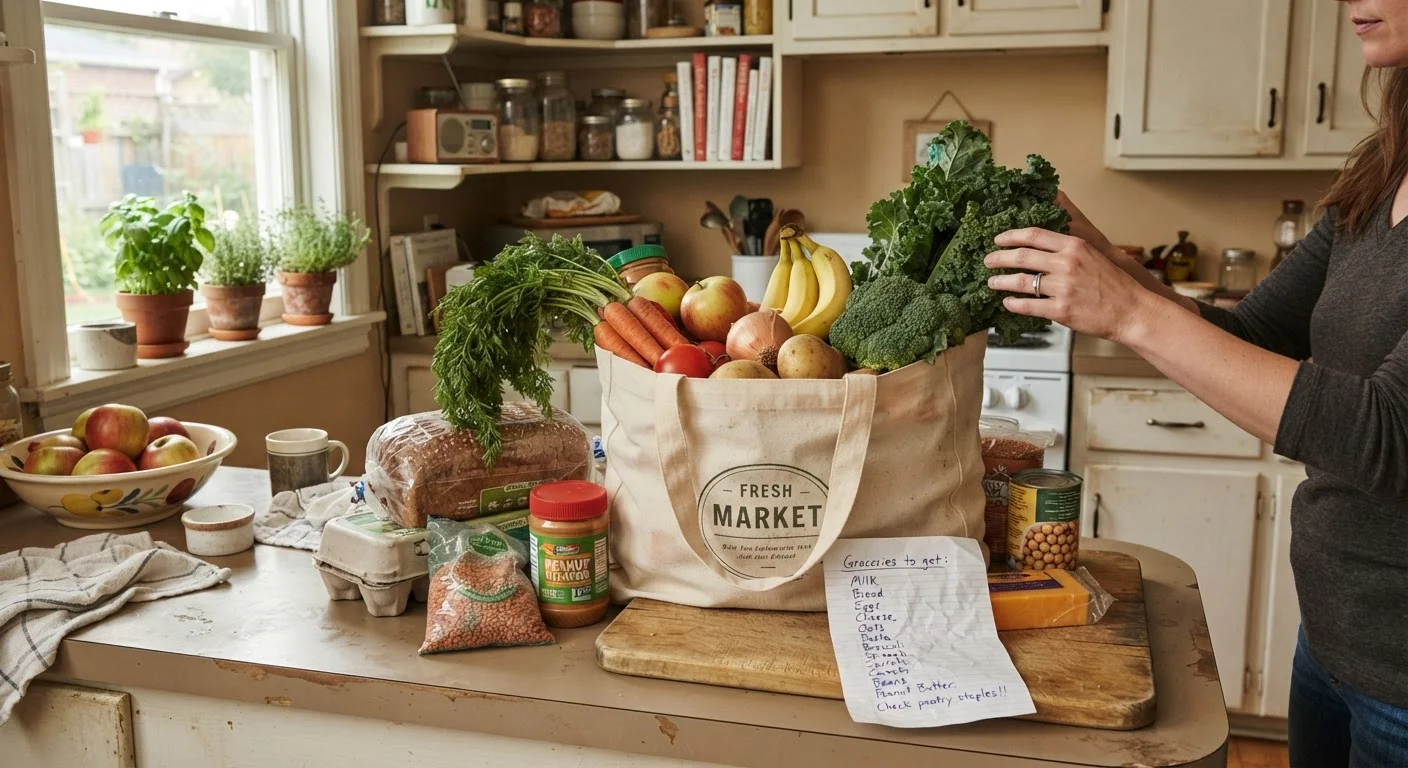
Photo credit: strategicimprovementplan.net
In this article
Discover the common patterns that quietly inflate weekly grocery spending and what families can realistically do to correct them.
Key Takeaways
- Shopping without a list or meal plan consistently inflates grocery totals beyond what families intend to spend.
- Hunger, habit, and store layout manipulate unplanned purchases more than most shoppers realize.
- Unit price comparisons, not package size, reveal the actual cost of most grocery items.
- Waste from overbuying perishables is one of the most common and correctable sources of grocery overspend.
Why grocery spending keeps climbing
Food is one of the largest line items in a typical American family budget, sitting just below housing and transportation for most households. According to the U.S. Bureau of Labor Statistics, food-at-home spending accounts for roughly 8 to 10 percent of average household expenditures. Yet unlike a fixed mortgage or car payment, grocery spending flexes up or down based almost entirely on behavior at the store and before it.
That flexibility is what makes grocery overspend so correctable. Most of the money leaving family budgets at the checkout counter traces back to a small set of repeated habits, not to the cost of food itself. Understanding where grocery spending fits in the full family budget is a useful starting point, but fixing the overspend requires looking at the specific patterns behind it.
Shopping without a list or a meal plan for the week.
Why it happens: Many families treat grocery shopping as a routine errand and rely on memory and in-store cues rather than preparing a list in advance.
Shopping while hungry, which inflates the cart with unplanned items.
Why it happens: Hunger sharpens attention to food packaging and promotional displays, making high-calorie or convenience items harder to pass by.
Buying in bulk without accounting for how quickly the household actually uses that item.
Why it happens: Large packages appear to offer savings per unit, and bulk buying feels prudent, but the math only works if the product is fully used before it expires.
Ignoring unit prices and comparing only package totals.
Why it happens: Shelf labels highlight total price prominently and unit price in small text, so most shoppers default to comparing the larger number.
Letting pantry inventory become invisible, leading to duplicate purchases.
Why it happens: Busy families skip the pantry check before shopping, and items pushed to the back of shelves or freezer drawers are effectively forgotten.
Overbuying fresh produce based on aspirational eating rather than realistic meal plans.
Why it happens: Families often buy a wide variety of vegetables and fruit intending to eat healthier, but without specific recipes tied to those items, much of the produce goes unused.
The habits that quietly add up
Overspending at the grocery store rarely happens in one dramatic moment. It accumulates through small decisions: the unplanned item grabbed near the register, the bulk package that sounds like a deal but spoils before it is finished, the duplicate pantry item bought because the household did not know it already had one. Each of those decisions is understandable in isolation. Together, they can add $100 or more to a monthly grocery bill without any single obvious cause.
30-40%
Share of U.S. food supply lost at consumer level
The U.S. Department of Agriculture estimates this proportion of the food supply is wasted, with a significant portion occurring in individual households.
8-10%
Food-at-home share of household spending
According to the U.S. Bureau of Labor Statistics Consumer Expenditure Survey, food purchased for home preparation represents this share of average household expenditures.
Perishable waste is one of the most costly patterns. The U.S. Department of Agriculture estimates that American households discard between 30 and 40 percent of the food supply, with much of that loss happening at the consumer level. For a family spending $800 per month on groceries, even a 20 percent waste rate represents $160 in food that was purchased but never eaten. Reducing that figure does not require a complicated system: it starts with buying only what is planned and planning around what is already in the refrigerator.
Similar budget leakage appears in other spending categories. The same patterns that drive grocery overspend, buying without a plan and underestimating small recurring costs, also appear in travel and automotive spending. Hidden costs that blow family travel budgets follow a nearly identical structure: individually small charges that accumulate into a materially higher total than expected.
What families can realistically change
None of the corrections in this article require dramatic lifestyle changes. A written grocery list reduces impulse purchasing. A quick pantry check before shopping eliminates duplicates. Buying perishables in quantities that match the household's actual consumption schedule prevents spoilage. Comparing unit prices rather than package prices takes an extra 15 seconds per item and frequently reveals that the larger or store-brand option is meaningfully less expensive.
For families working to tighten spending across multiple categories, grocery habits are worth prioritizing because the savings are immediate and repeat weekly. The same discipline applied to patterns that drive overpayment at the mechanic or persistent energy bill overruns compounds over time, but grocery savings show up in the next shopping trip.
Tracking total grocery spend for 30 days, even roughly, gives most families a clearer picture than they expect. The number is often higher than estimated, and seeing it in full is usually enough motivation to act on the specific habits above.

Author
Family Finance Editorial Team
Family Finance Editorial Team is the collective byline for our editorial team and contributor network. Articles published under this byline or an editorial pen name are researched, written, and reviewed according to our editorial standards for clarity, consistency, and independence before publication.
View all articles →