
The Hidden Costs That Blow Family Travel Budgets
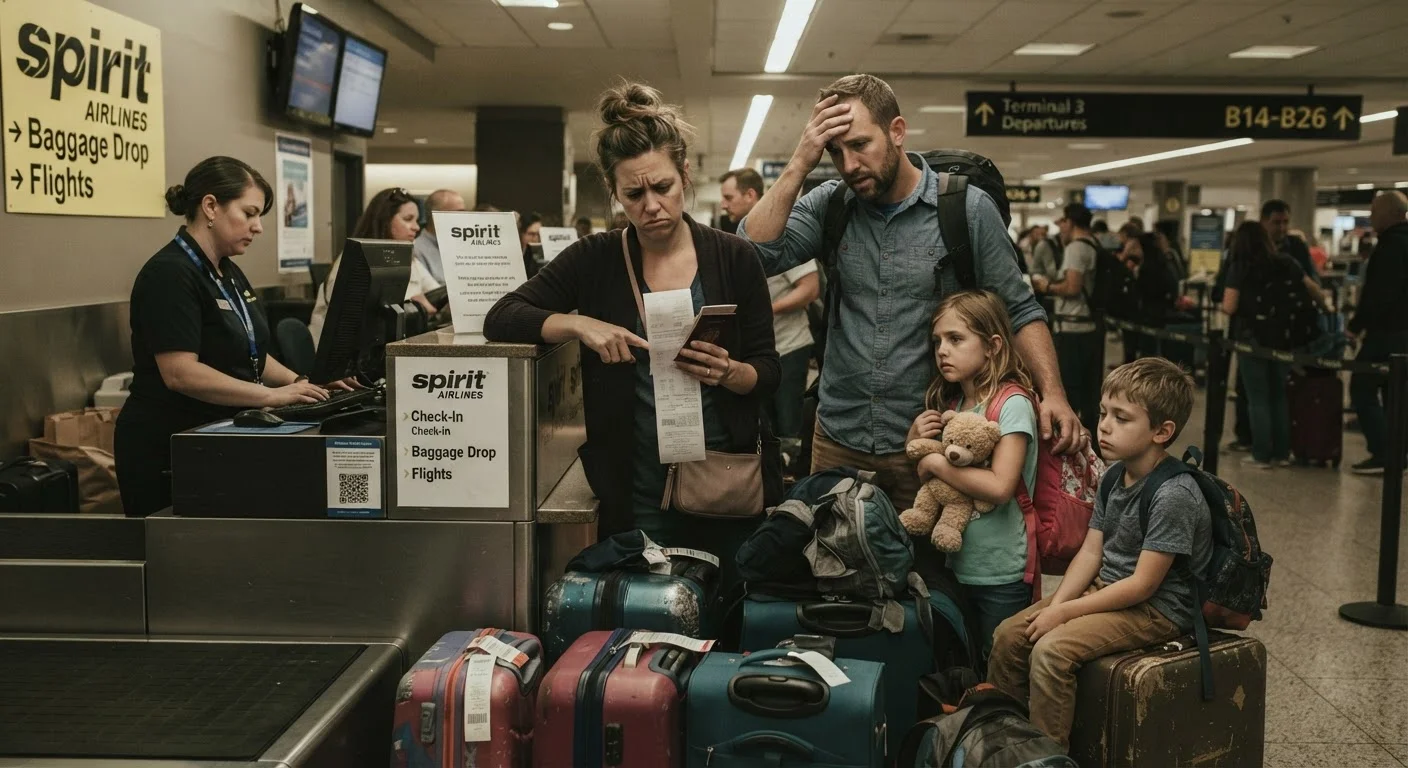
Photo credit: strategicimprovementplan.net
In this article
Resort fees, checked bags, and park upsells can quietly double a trip's cost. Learn which charges to anticipate and how to plan around them.
Key Takeaways
- Resort fees and destination charges can add $30 to $50 per night on top of a hotel's advertised rate.
- Checked baggage fees for a family of four on a round trip can easily exceed $200.
- Theme park upsells, including skip-the-line passes and dining packages, can double the baseline ticket cost.
- Pre-planning meals and packing carry-on luggage only are among the most reliable ways to avoid surprise charges.
- Reading the full booking summary before confirming any reservation catches most hidden fees before they lock in.
Why family travel budgets go over without warning
A family books a hotel at $140 a night, flies on a fare that looks reasonable, and budgets for park admission. Three weeks later, the credit card statement tells a different story. The gap between expected and actual cost is not random: it follows predictable patterns that repeat across millions of family trips each year.
Most of the overspend comes from fees and upsells that are disclosed somewhere in the fine print but are easy to miss at the moment of booking. Others come from on-the-ground spending pressure that is hard to resist when children are tired and hungry. Both categories are avoidable with the right preparation. See the family vacation budget checklist for a pre-booking review process that catches most of these costs before you confirm.
The most common mistakes that inflate trip costs
The charges below each follow a recognizable pattern: they are disclosed but not obvious, and the total only becomes clear after the trip is already planned or paid for.
Ignoring resort and destination fees when comparing hotel rates.
Why it happens: Booking platforms often display the base nightly rate prominently and disclose mandatory fees only at checkout. Families comparing several properties naturally anchor to the headline number.
Booking flights without calculating the total baggage cost for the whole family.
Why it happens: Base airfares for budget carriers look attractive on search results, but checked bag fees are charged per bag per person per direction. Families with four travelers and standard luggage can face $50 or more per bag each way.
Underestimating theme park upsell costs after buying admission tickets.
Why it happens: Park admission feels like the main expense, so families budget primarily around ticket prices. Skip-the-line upgrades, photo packages, character dining, and parking fees are treated as optional until the family is on-site and the pressure to use them is real.
Renting a car without reading the full cost at the rental counter.
Why it happens: Car rental base rates are quoted without insurance, fuel options, child seat fees, or airport surcharges. Each of those items is presented as an add-on at pickup, often quickly and verbally, which makes it easy to agree without calculating the total.
Skipping travel protection and absorbing the full cost of a cancellation or medical issue abroad.
Why it happens: Travel insurance feels like an added cost when a family is already stretched, so it gets cut from the budget during planning. The risk seems abstract until a flight is canceled or a child needs urgent care away from home.
On-site dining costs add up fast
Theme parks, resorts, and cruise ships charge a significant premium for food and beverages inside their venues. A family of four eating three meals on-site at a major theme park can spend $150 or more per day on food alone. Packing snacks, eating breakfast at an off-site grocery store, or choosing one on-site meal rather than three reduces this cost substantially without cutting into the experience.
Building a budget that accounts for the full cost
The fix is not to spend more, it is to plan for the real number from the start. When you search for lodging, add any posted resort or amenity fees to the nightly rate before comparing options. When you price flights, run the full baggage cost for your group size alongside the base fare. The comparison of road trips versus flying shows how quickly baggage fees shift the math for a family of four.
For activities, check each attraction's pricing page for tiered add-ons before you go, not while you are standing at the gate. Traveling in a lower-demand window also reduces upsell pressure because crowds are thinner and base prices are lower. The case for shoulder-season travel covers how that timing choice compounds across lodging, flights, and park admission.
Accommodation type matters too. A vacation rental with a kitchen can cut daily food costs significantly for a family compared with a hotel that charges for every meal. The rental versus hotel breakdown maps when each option makes financial sense by trip length and group size.
General travel and spending patterns follow from how the trip is framed at the planning stage. Families who start with a total number and work backward to what it buys tend to stay closer to budget than those who plan a trip and then try to cut costs afterward. The step-by-step fixed-budget vacation guide walks through that approach in detail.

Author
Affordable Travel Editorial Team
Affordable Travel Editorial Team is the collective byline for our editorial team and contributor network. Articles published under this byline or an editorial pen name are researched, written, and reviewed according to our editorial standards for clarity, consistency, and independence before publication.
View all articles →