
Stretching Every Mile: Fuel Efficiency Habits That Actually Work
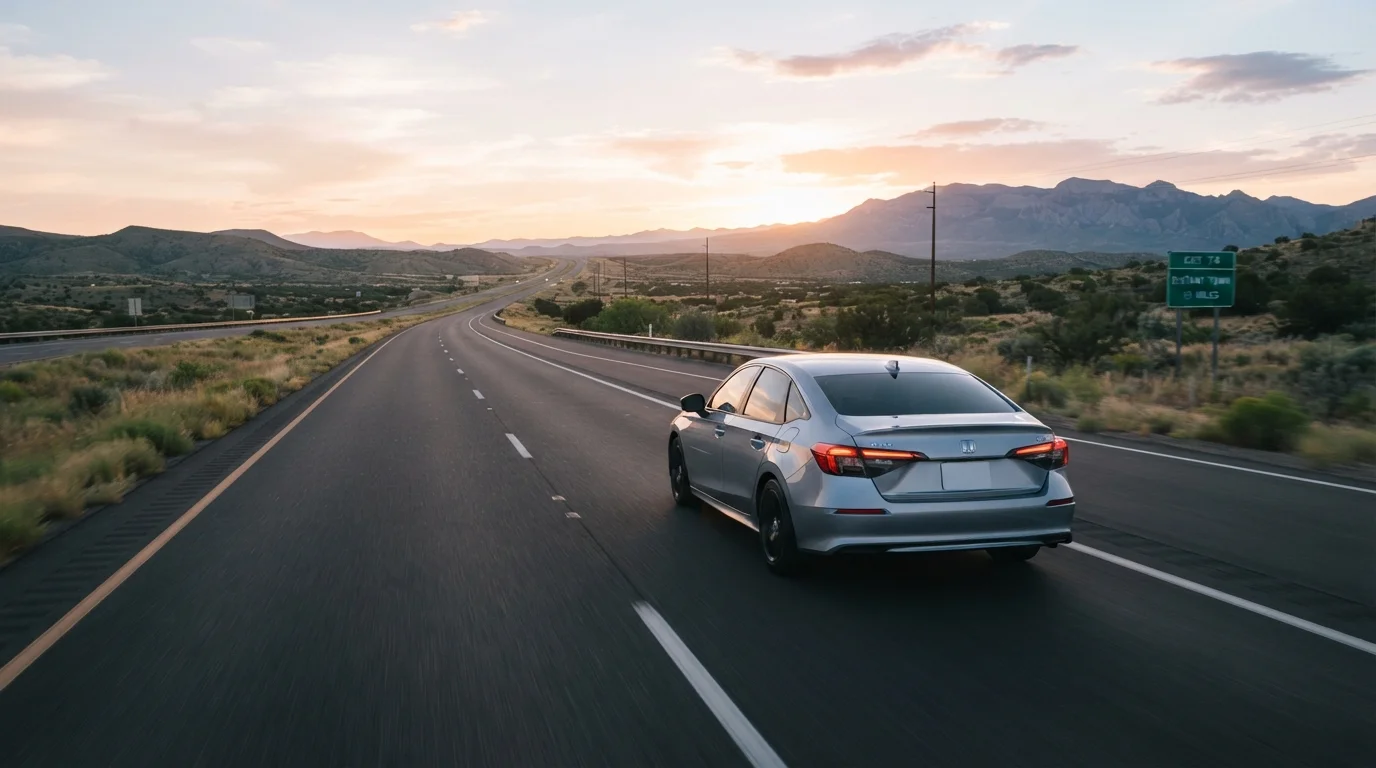
Photo credit: strategicimprovementplan.net
In this article
Small driving changes can meaningfully cut fuel costs over time. Here are practical, evidence-backed habits that improve gas mileage.
Key Takeaways
- Smooth acceleration and gradual braking can improve fuel economy by 10 to 40 percent in stop-and-go driving.
- Properly inflated tires can improve gas mileage by up to 3 percent, according to the U.S. Department of Energy.
- Removing excess cargo weight and reducing idle time are two often-overlooked sources of wasted fuel.
- Consistent maintenance, including clean air filters and fresh spark plugs, keeps an engine running at peak efficiency.
- Route planning and steady highway speeds are practical tools that reduce fuel consumption without driver discomfort.
Why driving habits matter more than the car you drive
Most families focus on the sticker price or the EPA fuel economy rating when thinking about gas costs. Those numbers matter, but the way a vehicle is driven often affects real-world fuel use more than the vehicle itself. The U.S. Department of Energy estimates that aggressive driving, speeding, rapid acceleration, and hard braking can lower gas mileage by 15 to 30 percent on highways and up to 40 percent in city traffic. For a family spending $200 a month on fuel, that represents a meaningful amount of money left on the table.
The habits below are drawn from published fuel economy research and are practical for everyday family use. None require buying new equipment or changing your vehicle.
Driving technique: the biggest lever you have
Accelerate gradually from stops rather than pressing the pedal hard. When you can see a red light ahead, lift off the gas early and coast toward it rather than braking at the last second. These two adjustments alone can noticeably cut fuel use in urban driving.
On the highway, use cruise control on flat terrain. Maintaining a consistent speed prevents the small speed fluctuations that burn extra fuel. Each 5 mph you drive above 50 mph costs roughly 7 to 14 percent more in fuel efficiency, according to the Department of Energy. If your commute or family road trip involves a stretch of open highway, dropping from 75 mph to 65 mph is one of the simplest ways to stretch a tank.
If your vehicle has an economy driving mode, use it. These modes typically soften throttle response and adjust transmission shift points to favor fuel savings over quick acceleration.
Accelerate smoothly and brake gradually in all driving conditions.
Hard acceleration and sudden braking are the single largest driver-controlled sources of excess fuel consumption. Smooth inputs keep the engine and transmission working within efficient ranges.
Use cruise control on flat highway sections.
Human drivers naturally vary speed slightly, which causes repeated small acceleration events. Cruise control eliminates this pattern and holds a steady, efficient pace.
Check and correct tire pressure monthly.
Under-inflated tires flex more with each rotation, generating heat and increasing the energy the engine must supply. The correct pressure is on the door jamb sticker, not the tire itself.
Remove cargo and roof racks when not in use.
Extra weight forces the engine to work harder, and external racks create wind resistance even when empty. Both effects increase fuel consumption across every mile driven.
Combine short trips and plan routes to minimize cold starts.
Engines consume more fuel during the warm-up phase. Multiple short trips from a cold start each day burn significantly more fuel per mile than a single combined outing.
Vehicle condition and its direct effect on fuel use
A poorly maintained vehicle burns more fuel than necessary. Under-inflated tires increase rolling resistance, which means the engine works harder. Check tire pressure monthly and before long trips. The correct pressure is printed on a sticker inside the driver's door jamb, not on the tire sidewall itself.
A clogged air filter restricts airflow to the engine. Replacing a dirty air filter restores proper combustion efficiency. Worn spark plugs cause misfires that waste fuel. These are inexpensive fixes, and our look at common car maintenance myths explains which maintenance items genuinely affect performance versus which ones are mostly upselling.
Using the correct grade of motor oil also matters. The owner's manual specifies the viscosity the engine was designed for. Using a heavier oil than specified increases internal friction and reduces efficiency slightly but measurably over time.
Load, drag, and route: the factors families often ignore
Every 100 pounds of extra weight in a vehicle reduces fuel economy by roughly 1 percent. For families with gear-filled trunks, sports equipment in the cargo area, or a heavy roof box left on year-round, that weight adds up. Remove gear that is not needed for the current trip.
Roof racks and cargo carriers create aerodynamic drag even when empty. A roof cargo box can reduce fuel economy by 2 to 8 percent at highway speeds. If the rack is removable and you are not using it, take it off.
Route planning matters too. Combining errands into a single trip with fewer cold starts saves fuel because engines burn more fuel during warm-up. GPS apps that account for traffic can reduce time spent idling, which is fuel burned with zero miles traveled. Extended idling, such as warming up the car in a driveway for several minutes, wastes fuel and provides minimal benefit in modern vehicles.
For families weighing whether to drive or fly for vacation, our breakdown of road trip versus flying costs puts the real numbers side by side.

Author
Automotive Editorial Team
Automotive Editorial Team is the collective byline for our editorial team and contributor network. Articles published under this byline or an editorial pen name are researched, written, and reviewed according to our editorial standards for clarity, consistency, and independence before publication.
View all articles →