
Free and Low-Cost Family Activities Across Every US Region
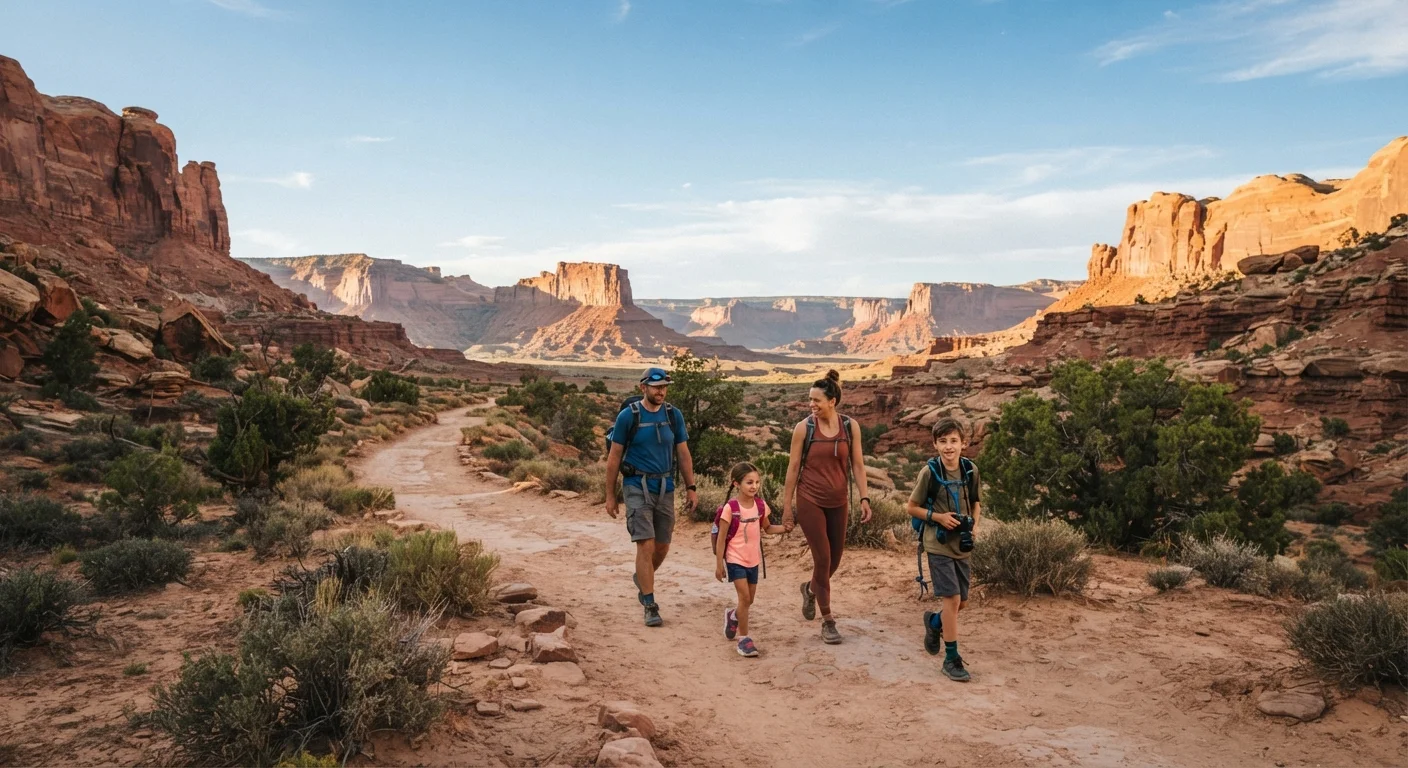
Photo credit: strategicimprovementplan.net
In this article
A region-by-region look at national parks, state trails, historic sites, and public beaches where families can explore without admission fees.
Key Takeaways
- Every US region has free or low-cost outdoor, cultural, and historic sites accessible to families.
- Federal fee waivers and annual passes can reduce or eliminate national park entrance costs significantly.
- State parks, public beaches, and municipal trails often rival paid attractions in quality and variety.
- Planning around free admission days at museums and historic sites stretches activity budgets further.
- Mixing free public resources with low-cost paid options keeps trips engaging without overspending.
Where free family experiences actually exist
Every region of the United States has publicly funded parks, beaches, historic sites, and cultural institutions that families can visit for little or nothing. The challenge is that this inventory is scattered across federal, state, county, and municipal systems, each with its own fee structure and access rules. The list below organizes the options by region so families can plan without sorting through overlapping databases.
Two passes are worth knowing before scanning any regional list. The America the Beautiful pass (currently $80 per year) covers entrance fees at all federal sites for everyone in a single vehicle, which makes it cost-efficient for families visiting more than two or three national parks in a year. The Every Kid Outdoors pass, available free to all US fourth-graders, provides the same per-vehicle coverage at federal sites for a full school year. Both passes are available through the National Park Service. For a broader planning framework, the complete starter guide to budget family travel covers how to fit activity costs into a full trip budget.
Northeast: history, harbors, and free public green space
The Northeast packs an unusual density of free attractions into a compact geography. The Freedom Trail in Boston is a 2.5-mile walking route connecting 16 historic sites, most of which charge no admission. The National Mall in Washington, D.C., gives families access to the Smithsonian Institution museums at no cost; the complex includes natural history, American history, air and space, and art collections. Battery Park in New York City has waterfront access, public art, and views of New York Harbor without any ticket required.
State parks in Vermont, New Hampshire, and Maine offer well-maintained trail networks. Many are free to enter, though some charge modest day-use parking fees (typically $4 to $6 per vehicle). Acadia National Park in Maine charges an entrance fee, but the National Park Service offers free admission days each year, and children under 16 always enter free. Families with fourth-graders can obtain an Every Kid Outdoors pass, which covers the whole carload at federal sites for a full year.
The Freedom Trail connects 16 historic sites across Boston at no admission cost.
Southeast: beaches, wetlands, and no-fee historic parks
Public beaches along the Gulf Coast and Atlantic shore offer free access at many county and municipal entry points, though some have paid parking lots. Gulf Shores in Alabama and Canaveral National Seashore in Florida both provide stretches of coastline where the main cost is getting there. Families should verify current parking and access fees directly with local park authorities before visiting, as these can change seasonally.
Great Smoky Mountains National Park, which straddles the Tennessee-North Carolina border, charges no entrance fee at all, making it one of the most accessible national parks in the country. The park's visitor centers, ranger programs, and wildlife viewing areas are all free. The Natchez Trace Parkway, running from Mississippi through Tennessee, is a federally managed scenic road with pull-off trails and historic markers available to anyone who drives it.
Great Smoky Mountains National Park charges no entrance fee, making it accessible for any family budget.
Midwest: rivers, prairies, and free museum days
The Midwest is consistently underestimated as a family travel destination, partly because its public assets are less marketed. The Chicago lakefront stretches 18 miles and is free to walk, bike, or picnic along. The city's museums charge admission, but several participate in city and reciprocal membership programs that allow free or discounted access for residents and sometimes visitors.
Cuyahoga Valley National Park in Ohio sits between Cleveland and Akron, offers more than 125 miles of trails, and charges no entrance fee. Indiana Dunes National Park, on the southern shore of Lake Michigan, charges a vehicle fee on some days but has free periods and free pedestrian access. The Gateway Arch National Park in St. Louis has no fee to walk the grounds, though the tram to the top of the arch carries a separate ticket price. Many Midwest cities, including Minneapolis and Kansas City, have free zoo days or free public museums funded through civic programs; local library card programs sometimes provide free passes to cultural institutions.
Cuyahoga Valley National Park offers more than 125 miles of trails with no entrance fee.
Southwest: canyon country and free desert recreation
The Southwest holds some of the most dramatic public land in the country. Bureau of Land Management (BLM) areas, which are federally managed but often carry no entrance fee, cover vast portions of Utah, Nevada, Arizona, and New Mexico. Families can access slot canyons, desert hikes, and scenic overlooks on BLM land without purchasing a pass. Grand Canyon National Park requires an entrance fee, but the Every Kid Outdoors pass applies, and South Rim overlooks accessible on foot from the village are part of the paid experience.
New Mexico's White Sands National Park charges a modest per-vehicle fee and is one of the few places in the US where families can sled on gypsum dunes using rented sleds (available from the park's gift shop). Petrified Forest National Park in Arizona charges an entrance fee but has no additional activity costs once inside; the painted desert overlooks and petrified wood trails require only walking shoes.
BLM land across Utah, Nevada, and Arizona provides fee-free desert hiking and scenic access.
West Coast and Pacific Northwest: tidal pools, forests, and free coastal access
California law guarantees public access to the state's entire coastline, meaning families can reach any beach even when adjacent land is private. Point Reyes National Seashore north of San Francisco has free trail access and is one of the few places on the West Coast where tidal pool exploration, wildlife watching, and lighthouse history are all available without a ticket. Olympic National Park in Washington encompasses rainforest, alpine meadow, and Pacific coastline within a single park boundary; it charges an entrance fee, but ranger-led programs inside are included.
Oregon's state parks are free to enter. Ecola State Park and Cape Lookout State Park both sit on the coast and include trail systems that reach clifftop viewpoints. In the Pacific Northwest, national forests managed by the US Forest Service often allow day-use hiking at no charge, though some trailheads require a Northwest Forest Pass for parking. That pass costs around $30 annually and covers multiple sites, making it cost-efficient for families planning several day trips.
California law guarantees public access to every beach in the state, removing a common cost barrier.
Mountain West: alpine access and low-fee recreation areas
Rocky Mountain National Park in Colorado charges an entrance fee and uses a timed-entry reservation system during peak season, so families should check the park's reservation portal well in advance. However, Colorado also has one of the strongest state park systems in the country; an annual state parks pass covers more than 40 parks and costs around $80 to $100 per vehicle per year, which pays off quickly for families who visit multiple sites.
Wyoming's public lands outside Yellowstone and Grand Teton include free-access areas managed by the BLM and US Forest Service. Grand Teton charges an entrance fee (covered by the America the Beautiful pass), but the adjacent Bridger-Teton National Forest has no entrance fee and offers backcountry and day-hiking access. Montana's Glacier National Park requires both an entrance fee and, during summer, a vehicle reservation; families planning a trip should review the park's official site for the most current requirements, as these policies are updated seasonally.
A Colorado state parks annual pass covers more than 40 parks and quickly offsets its cost for active families.
Making the most of no-cost and low-cost days
The activities above work best when paired with a realistic spending plan. Free admission does not eliminate trip costs: parking, food, and transportation still add up quickly. Building a daily activity budget that treats parking and snacks as real line items prevents the surprise overruns that make free destinations feel less free by the end of the day.
Verify fees and access before you go
Park fees, free admission days, and access policies change regularly. Before any trip, check the official website of the specific park, beach, or site you plan to visit. The National Park Service site (nps.gov) lists current entrance fees, free days, and reservation requirements. For state parks, each state's parks department maintains its own fee schedule.
Families who want to go deeper on keeping the full trip affordable will find practical booking strategies in planning a family vacation on a fixed budget. For approaches that apply across multiple trips and travel styles, stretching a family travel budget covers flexible-date tactics, pass programs, and other methods that hold up in practice.
Public lands and free cultural institutions also double as learning environments. Families already exploring educational tools at home may find the free and low-cost K-12 learning resources article a useful companion, since many national parks offer curriculum-linked ranger programs and junior ranger activities that count as real educational content.

Author
Affordable Travel Editorial Team
Affordable Travel Editorial Team is the collective byline for our editorial team and contributor network. Articles published under this byline or an editorial pen name are researched, written, and reviewed according to our editorial standards for clarity, consistency, and independence before publication.
View all articles →